Furnace Installation Cost and Best Practices: Understanding Core Principles for Professional HVAC System Setup
Furnace installation is a critical process that ensures efficient heating in homes and businesses. Understanding the core principles of furnace installation can help homeowners make informed decisions about their heating systems. This article will explore the essential steps involved in professional furnace installation, the different types of furnaces, safety standards, and cost considerations. By grasping these concepts, readers will be better equipped to navigate the complexities of HVAC system setup and maintenance. The following sections will cover key steps in installation, types of furnaces, safety compliance, and cost factors, providing a comprehensive guide to furnace installation. Proper installation not only enhances comfort but also extends the lifespan of the furnace, reduces energy consumption, and minimizes the risk of breakdowns.
For those looking to upgrade or replace their existing systems, a comprehensive guide on residential HVAC retrofits offers valuable insights into achieving energy efficiency and cost savings. These retrofits often involve integrating modern technologies and materials that improve overall system performance while reducing environmental impact. Homeowners can benefit from understanding how these upgrades align with current building codes and energy standards.
Residential HVAC Retrofit Best Practices for Energy Efficiency & Cost Savings
This best practices guide for residential HVAC system retrofits is aimed at contractors who want guidance on delivering energy efficient, cost effective and innovative products. It has been developed around the idea of having packages of changes to the building HVAC system and building envelope that are climate and house construction dependent. These packages include materials, procedures and equipment and are designed to remove some of the guesswork from a builder, contractor, installer or homeowner decisions about how best to carry out HVAC changes.
Best practices guide for residential HVAC Retrofits, IS Walker, 2003
What Are the Key Steps in Professional Furnace Installation?
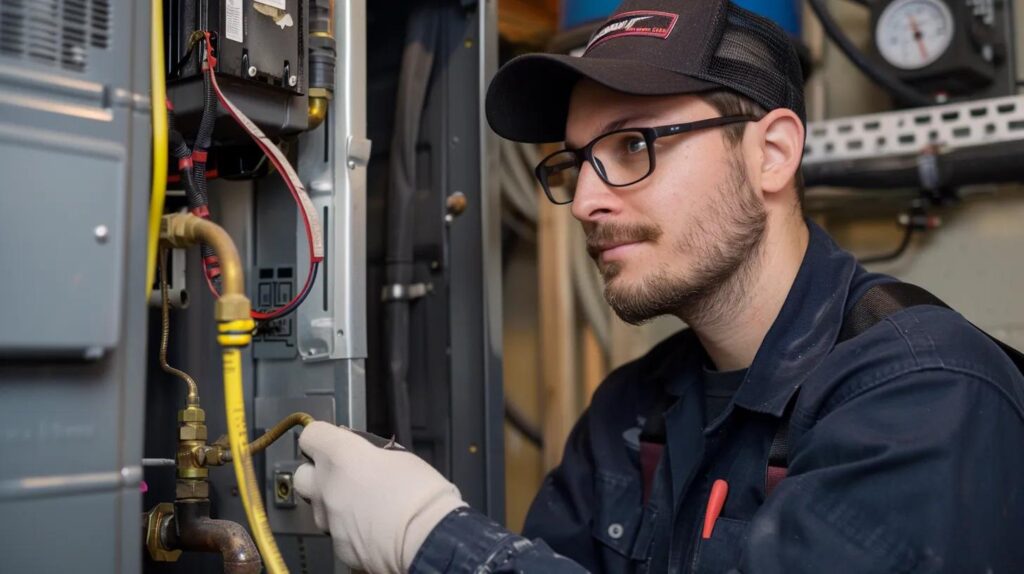
Professional furnace installation involves several key steps that ensure the system operates efficiently and safely. The process typically includes:
- Initial Assessment of Heating Needs: A licensed HVAC technician evaluates the space to determine the appropriate furnace size and type based on heating requirements. This assessment considers factors such as the size of the area, insulation quality, and local climate conditions to ensure the furnace can adequately heat the space without wasting energy.
- System Selection and Design: Based on the assessment, the technician recommends a suitable furnace model and designs the installation layout. This step includes selecting energy-efficient models that meet the homeowner’s budget and preferences, as well as planning the placement of the furnace and ductwork for optimal performance.
- Ductwork Inspection and Upgrades: Existing ductwork is inspected for leaks or damage, and necessary upgrades are made to ensure optimal airflow. Proper duct sealing and insulation are critical to prevent heat loss and maintain indoor air quality.
- Component Installation: The furnace and its components, such as the thermostat and ductwork, are installed according to manufacturer specifications. This ensures that all parts function correctly and that the system integrates seamlessly with existing infrastructure.
- System Calibration and Testing: After installation, the system is calibrated and tested to ensure it operates efficiently and meets safety standards. This includes checking airflow, combustion efficiency, and thermostat accuracy to guarantee reliable and safe operation.
For a seamless installation experience, it is advisable to contact Lyon Heating and Cooling LLC, a specialized HVAC service provider focused on heating and cooling solutions for residential and commercial clients in Wausau, WI, Weston, and Schofield. Their team of experienced technicians ensures that every installation meets local codes and manufacturer guidelines, providing peace of mind and long-term comfort.
How Do Licensed HVAC Technicians Ensure Safe Heating System Setup?
Licensed HVAC technicians follow strict protocols to ensure safe heating system setups. They adhere to safety standards established by regulatory bodies, which include:
- Initial Assessment of the Home: Technicians conduct thorough evaluations to identify potential hazards and ensure the installation meets safety requirements. This includes checking for proper ventilation, carbon monoxide risks, and structural considerations.
- Ductwork Inspection: They inspect existing ductwork for any issues that could affect system performance and safety. Identifying leaks, blockages, or improper sizing helps prevent inefficiencies and potential safety hazards.
- Installation of Components: All components are installed according to the manufacturer’s guidelines, ensuring proper function and safety. This includes secure mounting, correct electrical connections, and proper venting to avoid gas leaks or fire risks.
- System Calibration: After installation, technicians calibrate the system to optimize performance and safety. This involves adjusting fuel-air mixtures, testing safety controls, and verifying thermostat settings.
These measures help prevent accidents and ensure that the heating system operates efficiently. Additionally, licensed technicians provide documentation and guidance on system maintenance to help homeowners keep their furnace running safely over time.
What Tools and Materials Are Required for Furnace Installation?
A successful furnace installation requires specific tools and materials, including:
- Essential Tools: Common tools include wrenches, screwdrivers, and drills, which are necessary for assembling and securing components. Specialized tools such as manometers and combustion analyzers are also used to ensure proper system calibration and safety.
- Materials Needed for Setup: This includes the furnace unit, ductwork, insulation, and any necessary fittings or connectors. High-quality materials help improve system durability and efficiency.
- Safety Equipment: Technicians use safety gear such as gloves, goggles, and masks to protect themselves during the installation process. Proper safety protocols reduce the risk of injury and exposure to harmful substances.
Having the right tools and materials is crucial for a smooth installation process. Proper preparation and organization also help minimize installation time and reduce the likelihood of errors.
Which Furnace Types Affect Installation Requirements and Costs?
Different types of furnaces can significantly impact installation requirements and costs. Understanding these differences is essential for homeowners considering a new heating system. Each furnace type has unique characteristics that influence the complexity of installation, ongoing maintenance needs, and operational costs.
How Do Gas, Electric, and Oil Furnaces Differ in Installation?
- Gas Furnaces: Require gas lines and proper venting to ensure safe operation. Installation may involve additional costs for gas line installation. Proper venting is critical to prevent carbon monoxide buildup, and technicians must ensure compliance with local codes regarding gas connections.
- Electric Furnaces: Generally easier to install, as they do not require venting. However, they may need a dedicated electrical circuit, which can add to installation costs. Electric furnaces are often preferred in areas without natural gas access and offer quieter operation.
- Oil Furnaces: Require an oil tank and specific venting systems. Installation can be more complex and costly due to the need for additional components. Regular maintenance is also essential to keep oil furnaces running efficiently and to prevent fuel leaks.
What Energy Efficiency Ratings Impact Furnace Selection?
Energy efficiency ratings play a crucial role in furnace selection. The Annual Fuel Utilization Efficiency (AFUE) rating indicates how efficiently a furnace converts fuel into heat. Higher AFUE ratings mean better energy efficiency, which can lead to lower energy bills. Homeowners should consider the following:
- Understanding AFUE Ratings: A furnace with an AFUE rating of 90% means that 90% of the fuel is converted into heat, while 10% is lost. Choosing a furnace with a higher AFUE rating can significantly reduce fuel consumption and environmental impact.
- Impact on Energy Costs: Higher efficiency ratings can significantly reduce heating costs over time. Although high-efficiency furnaces may have a higher upfront cost, the savings on energy bills often justify the investment.
- Potential Rebates and Tax Credits: Many energy-efficient models qualify for rebates or tax credits, making them a financially attractive option. Homeowners should check with local utility companies and government programs to maximize savings.
How Do Safety Standards and Compliance Influence Furnace Installation?
Safety standards and compliance are critical aspects of furnace installation. Adhering to these regulations ensures the safety and efficiency of the heating system. Compliance also protects homeowners from liability and helps maintain insurance coverage.
What Are the Essential Installation Safety Precautions?
Essential safety precautions during installation include:
- Adherence to Safety Standards: Following local and national safety codes is crucial for safe operation. These standards cover aspects such as ventilation, electrical wiring, and fuel handling.
- Thorough Assessments: Conducting comprehensive assessments of the installation site to identify potential hazards. This includes checking for combustible materials near the furnace and ensuring adequate clearance.
- Ductwork Inspection: Ensuring that ductwork is free from obstructions and leaks. Proper duct sealing prevents carbon monoxide infiltration and maintains indoor air quality.
- Component Installation Checks: Verifying that all components are installed correctly and securely. Loose connections or improper mounting can lead to system failures or safety risks.
- System Testing: Performing tests to ensure the system operates safely and efficiently. This includes combustion analysis, carbon monoxide testing, and thermostat calibration.
How Do Local Wisconsin Energy Codes Affect Installation Practices?
Local energy codes in Wisconsin influence installation practices by setting specific requirements for energy efficiency and safety. Compliance with these codes is essential for:
- Overview of Local Energy Codes: Understanding the specific codes that apply to furnace installations in Wisconsin. These codes may include minimum AFUE ratings, ventilation requirements, and insulation standards.
- Compliance Requirements: Ensuring that all installations meet local regulations to avoid penalties. Non-compliance can result in fines, failed inspections, or the need for costly rework.
- Impact on Installation Practices: Adapting installation methods to comply with energy codes can affect overall costs and efficiency. For example, additional insulation or advanced venting systems may be required to meet code standards.
What Are the Cost Considerations and Scheduling Options for Furnace Installation?
Cost considerations are a significant factor in furnace installation. Understanding these can help homeowners budget effectively. It is important to consider both upfront costs and long-term savings when selecting a furnace and planning installation.
How Is Furnace Installation Cost Determined?
Furnace installation costs are influenced by several factors, including:
- System Type Considerations: The type of furnace selected can significantly impact installation costs. Gas and oil furnaces typically require more complex installations than electric models.
- Energy Efficiency Impact: Higher efficiency models may have higher upfront costs but can save money in the long run. Investing in energy-efficient equipment often results in lower utility bills and increased home value.
- Size and Ductwork Evaluation: The size of the home and the condition of existing ductwork can affect installation complexity and costs. Homes with outdated or damaged ductwork may require additional repairs or replacements.
- Financing Options: Many HVAC companies offer financing options to help manage installation costs. Flexible payment plans can make high-quality furnace installations more accessible to homeowners.
How Can Customers Schedule Professional Installation Services with Lyon Heating and Cooling LLC?
Scheduling professional installation services with Lyon Heating and Cooling LLC is straightforward. Customers can:
- Contact Methods: Reach out via phone at (715) 997-4327 to discuss their heating needs. The company offers personalized consultations to help customers choose the right system.
- Requesting an Estimate: Obtain a detailed estimate based on their specific requirements. This estimate includes equipment costs, labor, and any necessary upgrades.
- Scheduling the Service: Set up a convenient time for installation, ensuring a smooth process. Lyon Heating and Cooling LLC strives to accommodate customer schedules and minimize disruption.
By understanding these aspects of furnace installation, homeowners can make informed decisions that enhance their heating systems’ efficiency and safety. Partnering with experienced professionals ensures that installations are done correctly, providing reliable warmth and comfort for years to come.
Conclusion
Understanding the intricacies of furnace installation empowers homeowners to make informed choices that enhance energy efficiency and safety. By selecting the right furnace type and adhering to best practices, you can ensure long-term comfort and cost savings. For a seamless installation experience, consider reaching out to Lyon Heating and Cooling LLC for expert guidance tailored to your needs. Explore our services today to secure a reliable heating solution for your home.