

Furnace Not Heating? Expert Troubleshooting & Quick Fixes
When your furnace fails to heat your home, it can be a frustrating experience, especially during the colder months. Understanding the common causes and solutions for afurnace not heating can save you time and money. This article will guide you through troubleshooting steps and effective solutions to restore warmth to your home. We will explore various issues, from thermostat settings to pilot light problems, and provide insights on when to seek professional help. Additionally, we will highlight the importance of preventative maintenance to keep your furnace running efficiently.
Why Is My Furnace Not Blowing Hot Air? Common Causes and Fixes
A furnace that is not blowing hot air can stem from several common issues. Identifying these problems early can help you implement effective fixes and restore comfort to your home. Addressing these issues promptly can prevent further damage and ensure your system operates efficiently throughout the heating season.
How Do Thermostat Issues Affect Furnace Heating?
Thermostat issues are often the first culprits when a furnace fails to heat properly. Incorrect settings, such as being set to “cool” instead of “heat”, or having the fan set to “on” instead of “auto”, can prevent the furnace from operating as intended. A common oversight is simply setting the desired temperature too low. Additionally, dead batteries in a digital thermostat can render it unresponsive, leading to inaccurate temperature readings and causing the furnace to underperform or not activate at all. Calibration issues, often found in older mercury-switch thermostats, can also lead to the furnace misinterpreting the actual room temperature. Regularly checking and maintaining your thermostat, including replacing batteries annually and ensuring correct mode settings, can ensure it functions correctly and communicates effectively with your heating system.
Can Dirty Air Filters and Blocked Vents Cause Cold Air?
Yes, dirty air filters and blocked vents can significantly impact your furnace’s ability to heat your home, often leading to the sensation of cold air or no air at all. A clogged air filter restricts the crucial airflow needed for the furnace to operate efficiently. This restriction forces the furnace to work harder, potentially causing it to overheat and shut down prematurely (short cycling), or even leading to permanent damage to the heat exchanger. Beyond efficiency, a dirty filter also compromisesindoor air quality. Similarly, blocked vents—whether by furniture, rugs, or debris—can prevent warm air from circulating throughout your home, creating cold spots and uneven heating. To maintain optimal heating efficiency and air quality, it is essential to replace disposable air filters every 1-3 months, depending on usage and household conditions (pets, allergies), and ensure that all supply and return air vents are clear of obstructions.
How to Troubleshoot Gas Furnace Pilot Light and Ignition Problems
Gas furnaces rely on a consistent ignition source to heat your home. Problems with the pilot light or electronic igniter are common culprits when your furnace isn’t producing heat. Understanding how to safely troubleshoot these components can often resolve the issue.
What Steps Should I Take If the Gas Furnace Pilot Light Is Out?
If the pilot light goes out, the first step is to ensure your safety by turning off the gas supply to the furnace. Locate the gas valve, usually a knob or lever near the pilot assembly, and turn it to the “off” position. Wait at least five minutes before attempting to relight the pilot light to allow any residual gas to dissipate, preventing a dangerous buildup. Follow the manufacturer’s instructions for relighting, which are typically found on a label inside the furnace access panel. This usually involves turning the gas valve to “pilot,” pressing a reset button or holding down a pilot button, and using a long lighter or match to ignite the pilot flame. Once lit, hold the button for about 30-60 seconds to allow the thermocouple to heat up and signal to the gas valve that it’s safe to keep the pilot lit. If the pilot light continues to go out shortly after relighting, or won’t stay lit, it may indicate a faulty thermocouple (a safety device that senses the pilot flame) or a gas supply issue, requiring professional assistance from a qualified HVAC technician.
How to Identify and Fix Igniter and Flame Sensor Issues?
Modern furnaces often use an electronic igniter instead of a standing pilot light. A malfunctioning igniter, whether it’s a hot surface igniter that fails to glow red or a spark igniter that doesn’t produce a consistent spark, will prevent the gas from igniting. You might hear a clicking sound without the furnace firing up. The flame sensor, a small metal rod positioned in the flame’s path, is another critical component. Its role is to detect the presence of a flame and signal to the control board that gas is burning safely. If the flame sensor becomes dirty with carbon buildup, it can misread the flame’s presence, causing the furnace to shut down prematurely, even if the flame is present. Regular cleaning of the flame sensor with fine-grit sandpaper or steel wool can often resolve this issue. Always turn off power to the furnace before attempting any cleaning. Checking the igniter for visible cracks or damage is also important. If problems persist after cleaning or if the igniter is visibly damaged, it may be time to consult a professional technician for replacement.
What Electrical and Safety Checks Can Resolve Furnace Power Issues?
Electrical problems can completely shut down your furnace, leaving you without heat. Fortunately, some common electrical issues can be resolved with simple, safe checks before calling a professional.
How to Reset Circuit Breakers and Furnace Power Switches Safely?
If your furnace is not receiving power, the first step is to check the circuit breaker. Furnaces typically have a dedicated circuit breaker in your home’s main electrical panel. Locate the breaker panel and look for any tripped breakers, which will usually be in an “off” or middle position. To reset a tripped breaker, firmly push it to the “off” position first, then back to the “on” position. Resetting the breaker may restore power to the furnace. Additionally, ensure that the furnace power switch, typically a light switch-style toggle located near the unit (often on a wall or mounted directly to the furnace), is in the on position. This switch is a safety disconnect and can sometimes be accidentally turned off. Always exercise caution when working with electrical components; never touch exposed wires. If a breaker repeatedly trips, it indicates a more serious electrical issue that requires professional diagnosis. If you are unsure or uncomfortable, consult a professional electrician or HVAC technician.
What Are Safety Lockouts and How Do They Affect Furnace Operation?
Safety lockouts are built-in diagnostic and protective features designed to prevent your furnace from operating under unsafe conditions, thereby protecting the unit from damage and ensuring the safety of your home. If the furnace detects a malfunction—such as repeated ignition failures, restricted airflow leading to overheating, a clogged exhaust vent, or a faulty sensor—it may enter a lockout mode, preventing operation until the underlying issue is resolved. When a furnace is in lockout, it typically won’t respond to thermostat calls for heat. Common causes of safety lockouts include a dirty flame sensor, a clogged air filter, a blocked exhaust flue, or issues with the igniter. While you can often attempt to reset a lockout by cycling the furnace’s power (turning it off at the switch for 30 seconds, then back on), if the furnace repeatedly goes into lockout, it is advisable tocontact a NATE-certified HVAC professional. They can accurately diagnose and resolve the underlying issue, ensuring your system operates safely and efficiently.
When Should I Call a NATE-Certified HVAC Professional for Furnace Repair?
While some minor furnace issues can be resolved with DIY troubleshooting, many problems require the expertise of a trained professional. Knowing when to call for help can prevent further damage and ensure your safety.
What Are the Warning Signs That Require Expert Furnace Service?
Several warning signs indicate that you should call a professional forfurnace repair rather than attempting a DIY fix. These include unusual and persistent noises, such as grinding, squealing, banging, or rattling, which may signal mechanical issues with the motor, fan, or other internal components. Additionally, if you smell gas (a rotten egg odor) or notice a burning smell (like plastic or electrical wiring), it is essential to seek immediate assistance and evacuate your home if the gas smell is strong. Other critical signs include a significant drop in heating efficiency, inconsistent heating across different rooms, a yellow or flickering pilot light (instead of a strong blue flame, indicating incomplete combustion and potential carbon monoxide production), or if your carbon monoxide detector alarms. Any of these symptoms suggest a serious problem that requires the diagnostic skills and specialized tools of a qualified technician to ensure both the furnace’s proper function and your household’s safety. Regular inspections by a qualified technician can help prevent these issues from escalating.
Why Choose Lyon Heating and Cooling LLC for Local Furnace Repair?
Lyon Heating and Cooling LLC is a family-owned company specializing in comprehensive HVAC services, including expert furnace repair, installation, and maintenance. With over 20 years in business, our NATE-certified team brings unparalleled expertise and a commitment to quality service. We focus on delivering energy-efficient solutions that not only restore your comfort but also help reduce your utility bills. Our local expertise ensures that you receive prompt, reliable service tailored to the specific climate and needs of our community. Choosing a NATE-certified company means you’re getting technicians who have passed rigorous industry-recognized exams, demonstrating their superior knowledge and skills in heating and cooling. As a family-owned business, we pride ourselves on building lasting relationships with our customers through transparent pricing, honest advice, and exceptional workmanship, ensuring you receive the best possible care for your heating system.
How Can Preventative Maintenance Keep Your Furnace Running Efficiently?
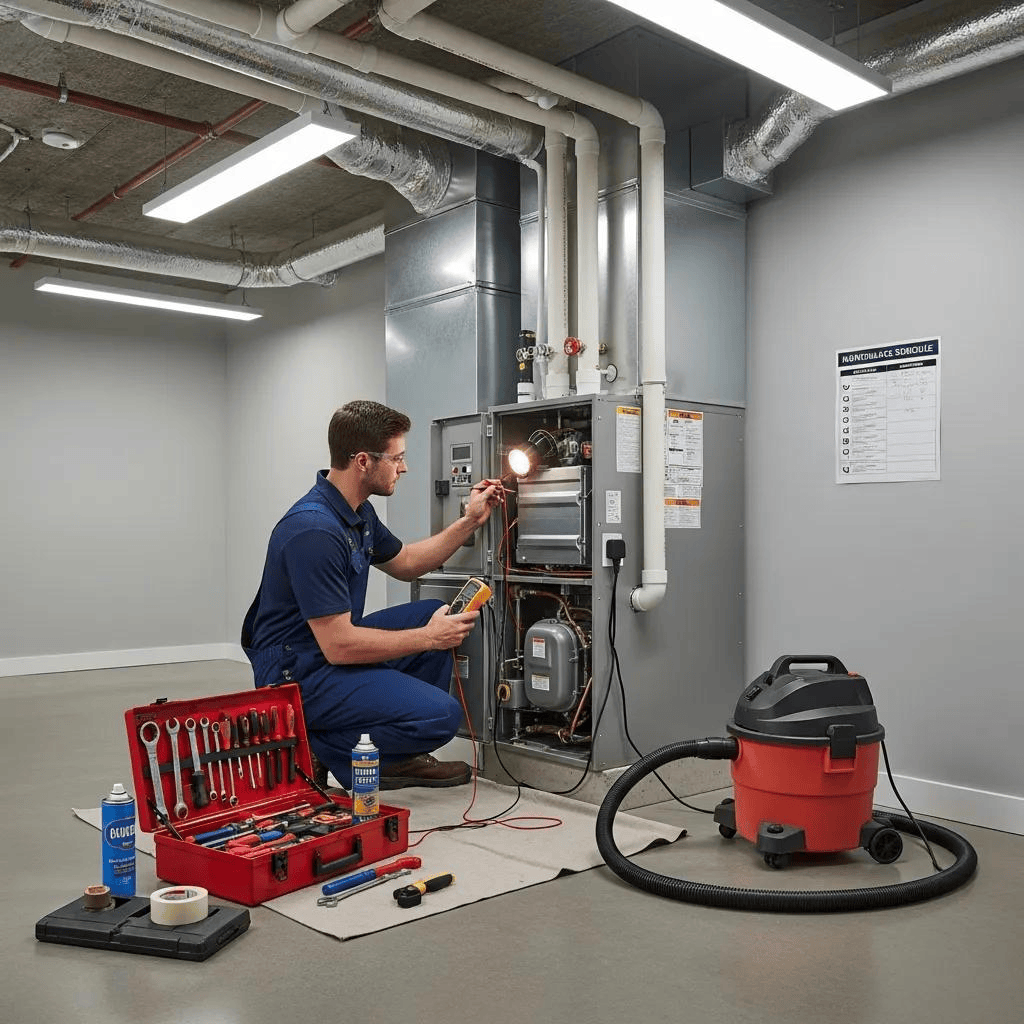
Preventative maintenance is the key to a long-lasting, efficient, and reliable furnace. Just like a car, your heating system benefits immensely from regular check-ups and care.
What Are the Benefits of Regular Furnace Tune-Ups and Filter Replacements?
Regular furnace tune-ups and filter replacements offer numerous benefits that extend far beyond simply keeping your home warm. A well-maintained furnace operates significantly more efficiently, which can translate into energy savings of 5% to 15% on your monthly utility bills. By ensuring all components are clean and properly calibrated, a tune-up reduces the strain on the system, thereby extending the lifespan of the unit and delaying costly replacements. Furthermore, regular maintenance helps identify potential issues, such as minor cracks in the heat exchanger or worn-out electrical components, before they escalate into major, expensive breakdowns or pose safety risks like carbon monoxide leaks. Clean filters, replaced every 1-3 months, not only improve airflow and efficiency but also enhance indoor air quality by trapping dust, allergens, and pollutants. Ultimately, these routine services ensure your home remains consistently warm, comfortable, and safe throughout the colder months, providing peace of mind.
How Do Maintenance Plans Help Prevent Furnace Breakdowns?
Maintenance plans provide unparalleled peace of mind by ensuring that your furnace receives consistent, professional inspections and servicing on a scheduled basis. These plans often include annual or bi-annual tune-ups, regular filter replacements, and priority service in case of emergencies, meaning you get faster response times when you need them most. By investing in a maintenance plan, you proactively address potential issues before they lead to unexpected breakdowns, which are often more costly and inconvenient. Technicians can catch minor problems, like loose wiring or worn belts, during routine checks, preventing them from causing major system failures. Many plans also offer discounts on repairs and parts, further reducing your overall heating costs. This systematic approach to care keeps your heating system in optimal condition, maximizes its efficiency, and significantly extends its operational life, saving you money and hassle in the long run.
Conclusion
Understanding the common causes of furnace issues and implementing effective troubleshooting steps can save you time, money, and discomfort during the colder months. Regular maintenance and timely professional assistance ensure your heating system operates efficiently and safely, providing consistent warmth for your home. By prioritizing these practices, you can enhance your furnace’s longevity and performance. For expert help and tailored maintenance plans, reach out to our team today.